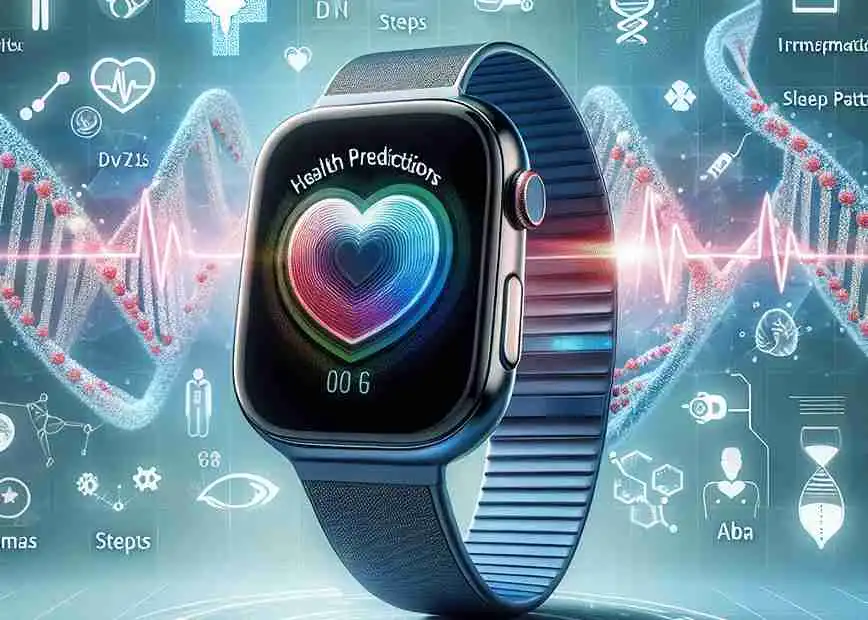
Apple Watch Behavioral Data Outperforms Traditional Health Metrics, Study Finds
A groundbreaking study reveals that behavioral data sourced from Apple Watch can provide crucial health insights, proving to be more effective than just raw biometric information obtained from traditional sensors. As the world becomes increasingly health-conscious, this new understanding invites a deeper examination of how technology, particularly wearable devices, can reshape our approach to health monitoring and assessment.
Background of the Research
The integration of technology and healthcare is not a new phenomenon, but Apple’s commitment to this field has resulted in significant advancements. Over the years, Apple has collaborated with health experts on numerous studies, exploring areas like menstrual health, sleep tracking, and even the workouts of marathon runners. The Heart and Movement Study exemplifies this collaborative spirit, focusing on how physical movement and cardiovascular health intertwine. This new research taps into data from this extensive study, uncovering patterns that underscore the importance of behavioral metrics.
Understanding Behavioral Data
Behavioral data refers to the insights gained from an individual’s actions and habits, as opposed to purely physiological measures like heart rate or steps taken. For instance, information gathered from daily routines, physical activities, cardiovascular fitness, and mobility metrics helps researchers construct a comprehensive health profile. These behavioral aspects can now potentially serve as vital indicators for predicting health states, allowing for a shift from traditional assessment methods.
The Evolution of Health Monitoring
The traditional model of health assessment largely relied on static health indicators such as blood pressure or cholesterol levels. However, as technology progressed, the need for a more dynamic and holistic approach became evident. The study emphasizes that integrating behavior data can yield more nuanced insights into a person’s overall health, allowing both individuals and healthcare providers to make better-informed decisions.
Implications for Healthcare
The implications of using behavioral data as a front-line tool in health predictions are profound. For one, shifting focus from conventional metrics to behavior-driven insights democratizes health monitoring. Individuals can have better control over their personal health journeys, informed by real-time data from their devices. This model not only enhances preventative care but may also lower healthcare costs in the long run by catching health issues early.
Improving Patient Outcomes
A critical point of this research lies in its potential to facilitate personalized healthcare. By employing algorithms that evaluate behavioral patterns, healthcare professionals can adopt a tailored approach to patient care. This capability ensures that interventions can be more specific and targeted, improving outcomes by aligning treatments with the unique needs and habits of individuals.
Challenges and Considerations
Despite the promise of using Apple Watch-derived data for health predictions, several challenges remain. Privacy concerns surrounding health data are at the forefront of discussions. Ensuring that personal information remains secure while encouraging users to share their behavioral metrics with healthcare providers poses significant hurdles. Additionally, healthcare professionals must be adequately trained to interpret this new wave of data efficiently.
The Importance of Data Interpretation
As healthcare evolves, so too must the skillsets of providers. It will be critical for professionals to foster a solid understanding of data analytics and interpretation. This requirement opens avenues for continual education and integration of technology within healthcare settings, highlighting the need for training programs that elevate the skill levels of healthcare workers in data literacy.
Future Outlook: What Lies Ahead
The future of health monitoring is undeniably intertwined with advancements in AI and data analytics. The ability to leverage behavioral insights for health predictions holds immense potential, provided that stakeholders can address the challenges. Future research will likely delve deeper into the algorithms that power this data interpretation process, paving the way for more refined health predictions across diverse demographics.
Conclusion
In summary, the new study amplifies the significance of behavioral data in health predictions, offering a compelling case for the integration of modern technology into personal health management. As wearable devices continue to evolve, the healthcare industry must adapt to these transformative insights to empower individuals in taking charge of their health journeys. Engaging with this new paradigm is crucial for a healthier future.
Frequently Asked Questions
Why is behavioral data valuable for health predictions?
Behavioral data provides real-time insights into a person’s habits and physical activities, which can be more predictive of overall health than conventional metrics alone.
How is Apple contributing to healthcare research?
Apple collaborates with medical researchers globally to explore various health issues and uses data from devices like the Apple Watch for advancing healthcare insights.
What challenges exist in using wearable data for health assessments?
Main challenges include privacy concerns and the need for healthcare professionals to be trained in interpreting complex data analytics.
How can individuals benefit from their Apple Watch data?
Individuals can utilize insights from their daily activities to better manage their health, set personal goals, and track improvements over time.
What does the future hold for wearable health technology?
The future promises enhanced integration of AI in health predictions, leading to more personalized healthcare approaches and better health outcomes.